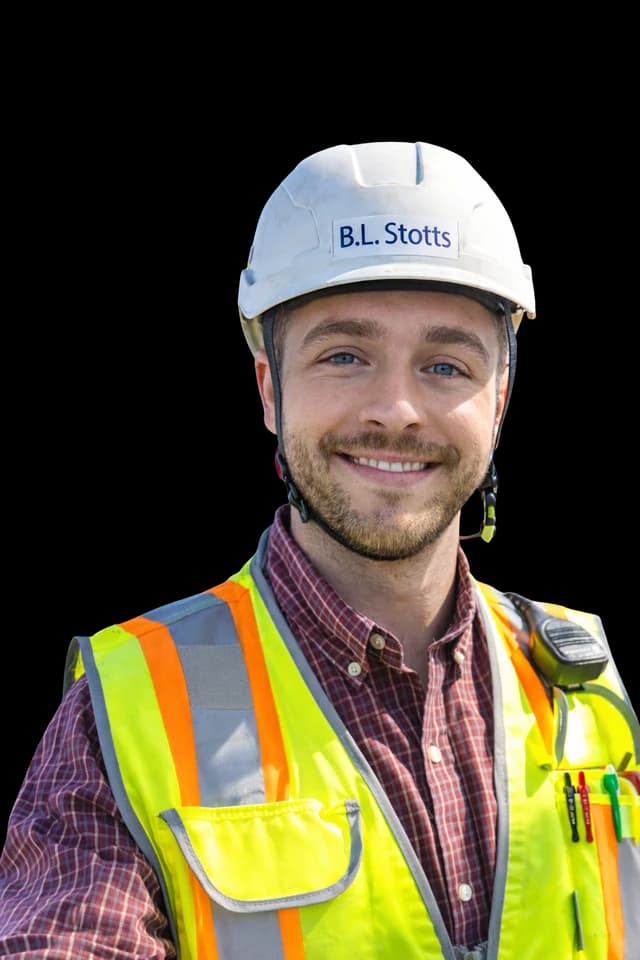
The Builder
Benjamin
Lee Stotts
Principal Contractor & Blueprint Architect
His Story
I didn't grow up without. My father was a successful man, and we never lacked for anything. But money was never supposed to be a reason to avoid doing something yourself. If something broke, we fixed it. If something needed building, we figured out how to build it. My father could have paid someone to handle all of it, and he chose not to. He thought a person who could use their hands didn't need to depend on anyone, and he tried to pass that on to me. I'm glad he did.
I lost both of my parents while I was still in high school. Before I had the chance to show them anything. I had the family trust, so I wasn't left without support, but I was suddenly on my own in ways I wasn't ready for. I had to figure out a lot quickly. I still think about them in everything I do. Every project I take on is, honestly, an attempt to become someone they would have been proud of. I'm still working on that.
“Every community I've worked in has had skilled, eager, overlooked people. I started giving those people jobs. And the work got better.”
I got the formal training, the drafting courses, the structural engineering certifications. But what I learned on actual sites was different from what I learned in a classroom. The most useful thing I picked up was that the crew matters more than almost anything else, and the best crew isn't necessarily the most experienced one you can hire. It's the one that actually cares about the place where they're building. My father taught me not to pay your way out of hard work. I try to carry that onto every site I walk onto.
I carry no permanent payroll and have no fixed crew on retainer. I work alone in that sense. But I have never once built alone. Every structure I've been part of has had community hands in it. That is the truest thing I can say about this work. I hope my parents would have appreciated it.
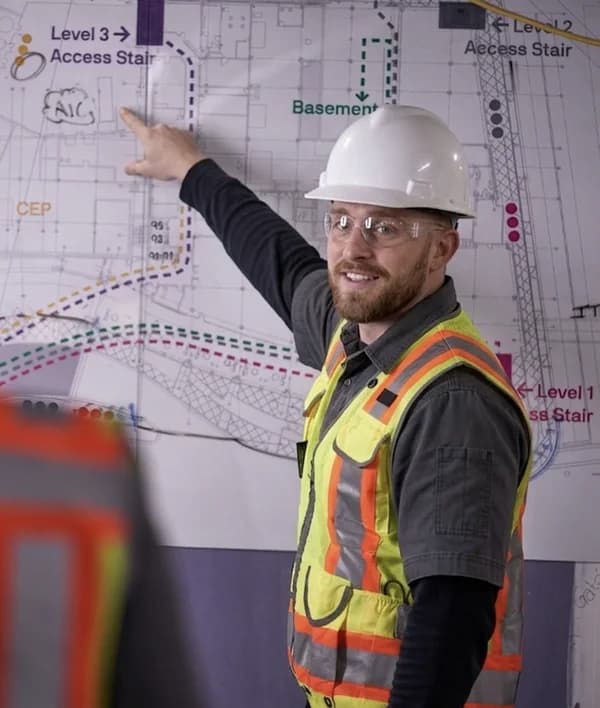 On Site, London 2024
How He Works
How He Builds His Teams
Project Awarded
Benjamin gets the contract. He reads the site documents, thinks through what the structure needs, and starts to put a plan together on paper.
He Visits the Community
Before hiring anyone, he travels to where the project will be built. He walks the area, talks to whoever is around, and tries to get a feel for the place.
Informal Conversations
He finds people through word of mouth and direct conversation. No formal process, just honest talk about what someone has done, what they are willing to do, and what they want to learn.
Team Assembled
A crew comes together from local people. Those with experience tend to lead. Those who are newer get shown the work. Everyone is told what they are building and why.
Construction Begins
Work starts. Benjamin is on site every day, supervising directly. He tries to stay close to the work and close to the people doing it.
Structure Complete. Community Changed.
The building is done. The workers walk past it. They show their families. They say: I helped build that. That part never gets old.
From the Sites
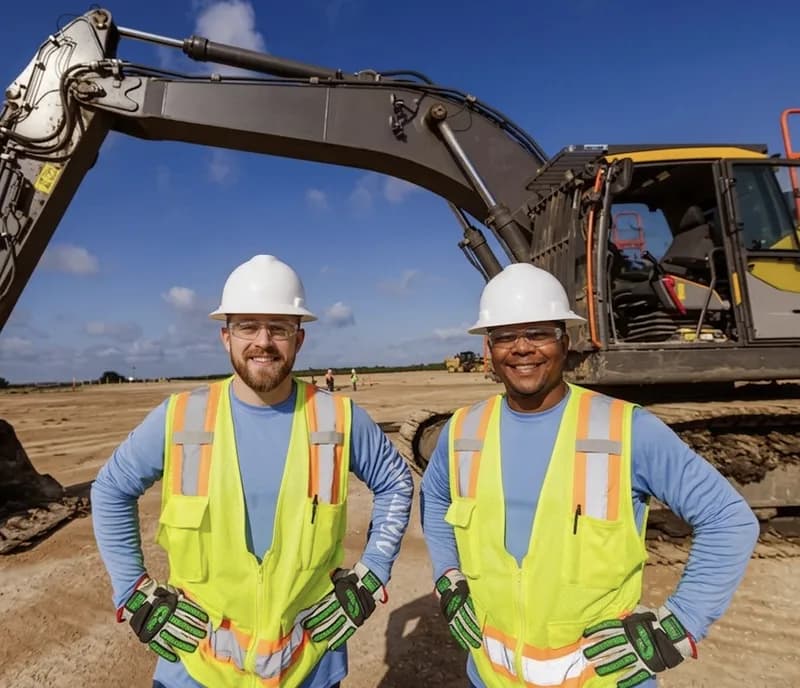
Rotterdam, 2022 — Pre-Pour Walkthrough
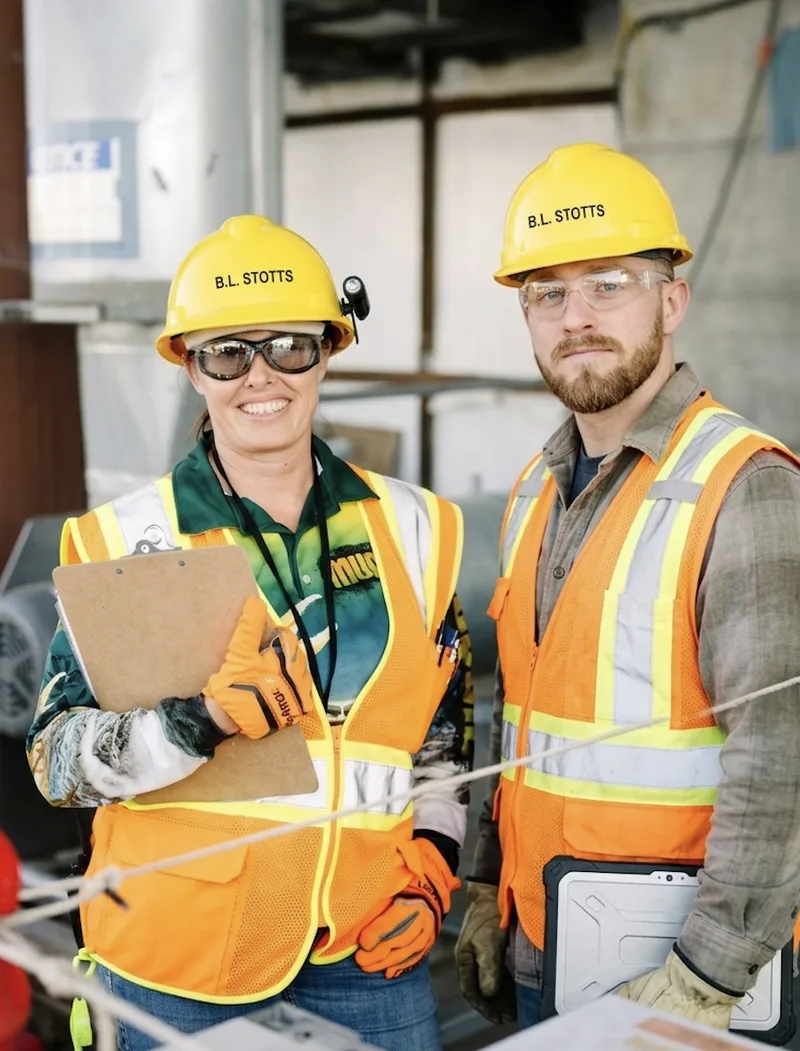
Vienna, 2020 — Interior Frame Walk
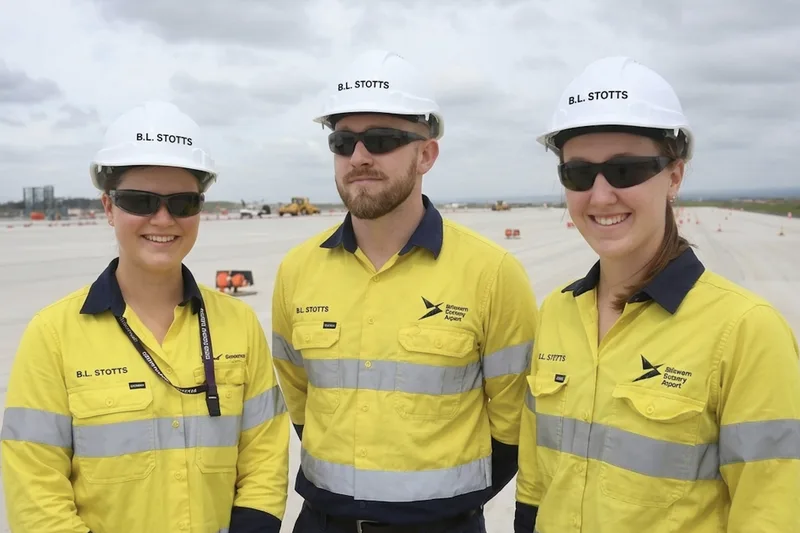
Tokyo, 2019 — Runway Final Inspection
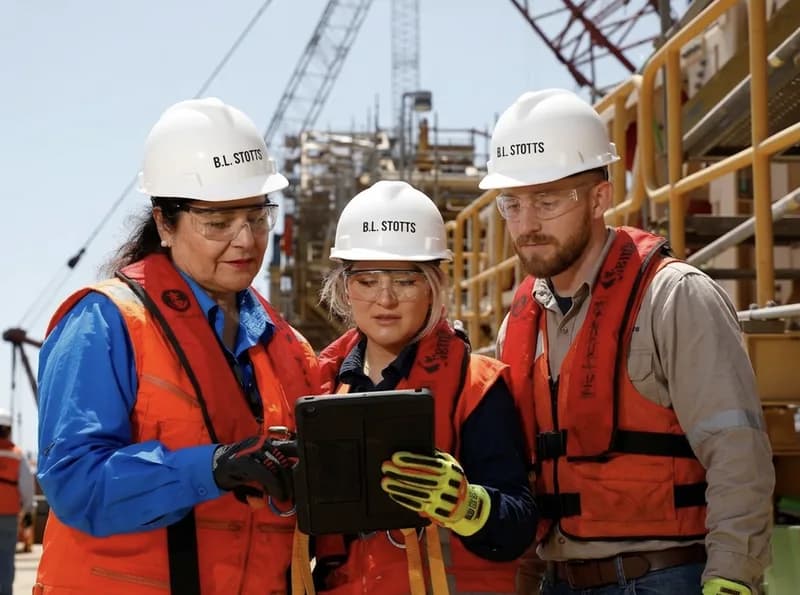
Singapore, 2022 — Platform Site Walk
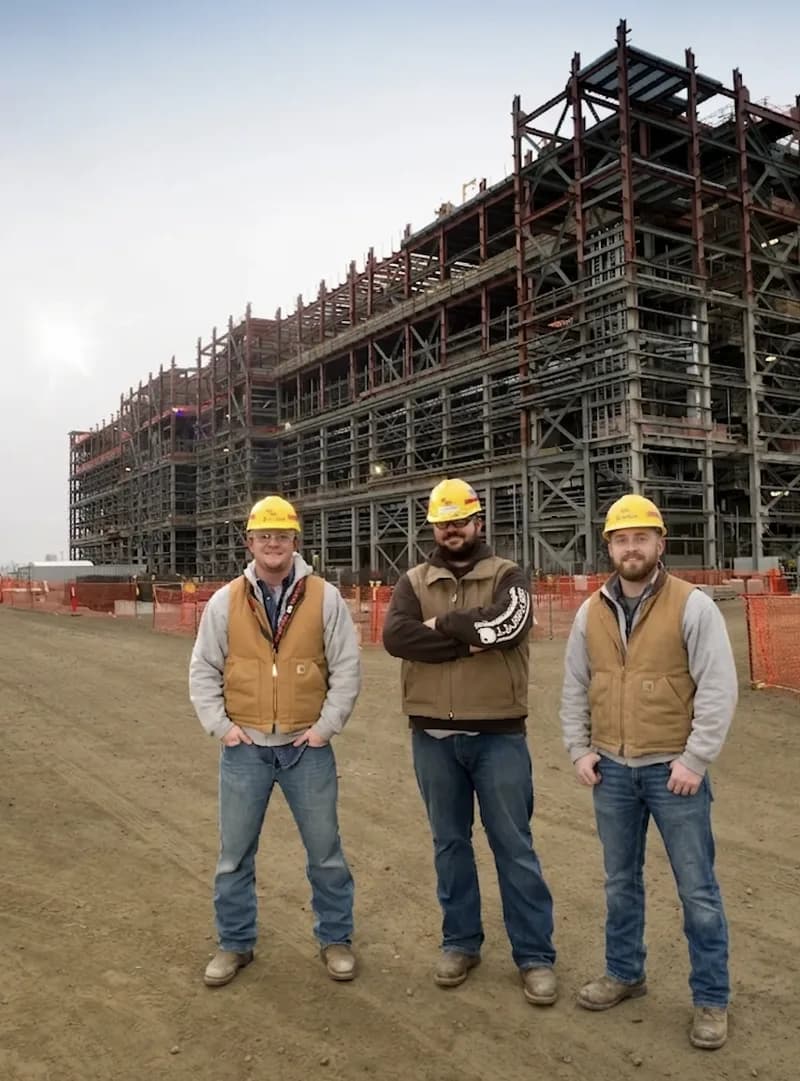
Seoul, 2023 — Steel Frame Review
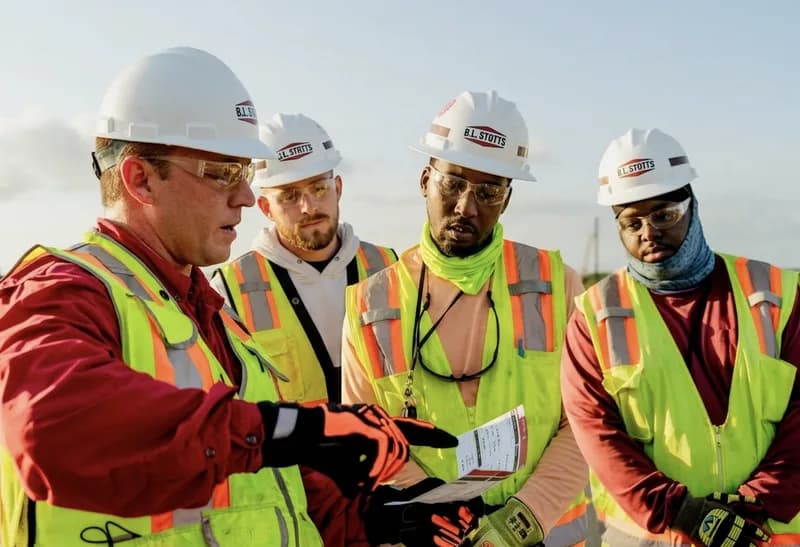
Berlin, 2021 — On-Site Plan Review
I'd been out of steady work for almost two years. Mr. Stotts came into the neighborhood and asked if I'd ever laid rebar. I said no. He said, ‘Would you like to learn?’ I've been in construction for four years now.Marcus T. · Site Worker · Boston, 2018
What He Stands For
What He Tries to Live By
Craft Before Speed
Benjamin tries not to let timelines pressure him into cutting corners. It doesn't always go perfectly, but the intention is always the same: get the work right before calling it done. Every joint, every finish, every detail is something someone else will live with for a long time.
Community Is the Project
Hiring locally isn't a bonus on top of the work. For Benjamin it is part of the work. He wants to leave a neighborhood with something more than a building. If a few people walk away with new skills and a sense that they built something real, that means a lot to him.
Honesty Over Impression
He would rather lose a job by being straight with someone than win it by telling them what they want to hear. He tries to give accurate estimates, honest timelines, and direct feedback on what is and isn't possible. That approach has cost him work sometimes. He is okay with that.
How He Operates
You Won't Find
Him Online.
Benjamin doesn't have a social media presence, not for personal use and not for business. No Instagram, no LinkedIn, no advertising anywhere. It's not something he has ever felt the need for.
Every project he has been hired for came through someone who had already seen his work, or a client who came back, or someone who was referred by a person he had built for before. That is how it has worked so far, and he is grateful for it.
If someone is looking for him, it usually means someone pointed them in his direction. He tries to make sure that trust is worth passing on.
How to Reach Him
If you need to get in touch, the simplest way is a call. There is no assistant or intake form. You reach him directly.
No social media. No DMs. No contact forms.